
Drove Through a Flooded Street in NJ? Don't Restart It
6 min read · October 30, 2026
North Jersey's low-lying towns around the Meadowlands and the Passaic and Hackensack rivers know how fast a heavy storm can turn a street into a pond. Underpasses, low stretches near the river and roads that drain slowly can flood in minutes. Here's what every driver should know before and after driving through water.
The best choice: turn around
It's hard to judge depth by looking. Water that looks shallow can hide a washed-out road, an open manhole or a deep dip. The National Weather Service warns that about a foot of moving water can float many cars, and two feet can carry away SUVs and pickups. If you can't see the road markings or the curb, turn around and find another way.
Why a stalled car shouldn't be restarted
Your engine breathes air through an intake that, on many cars, sits fairly low at the front. If the car drives through deep enough water, the engine can pull water in. Air compresses; water doesn't. When a piston tries to compress water, it can bend internal parts. This is called hydrolock, and it can turn a repairable car into one that needs a new engine.
If your engine stalled in water, the worst thing you can do is turn the key again to "see if it starts." Each attempt can do more damage.
If you're in the water right now
- If water is rising around you or moving fast, get out and get to higher ground if you can do so safely, and call 911. Your safety comes first; the car can be replaced.
- If the water is shallow and still, put the hazards on and stay put until it's safe to leave the car.
- Don't try to restart a stalled engine.
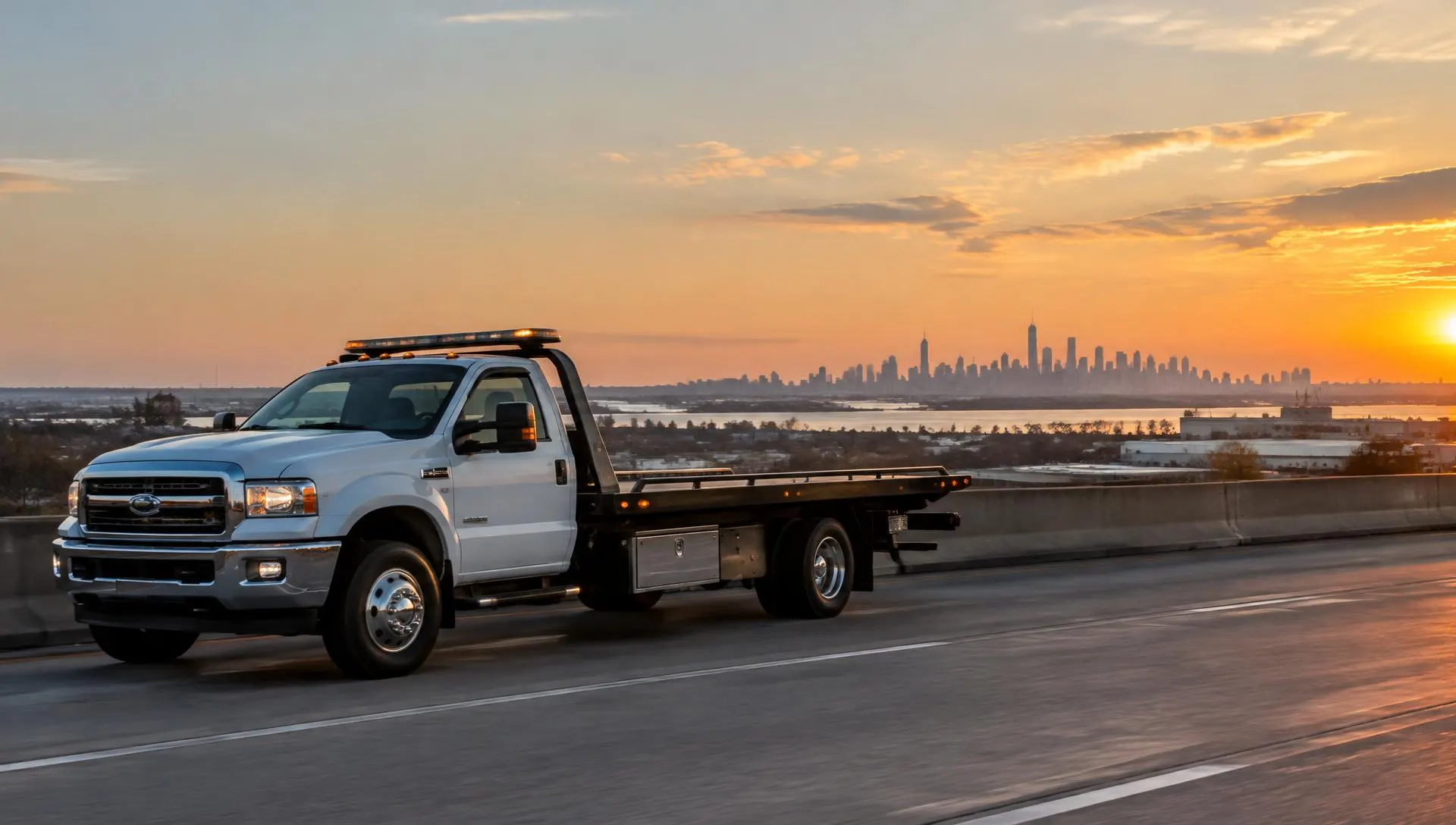
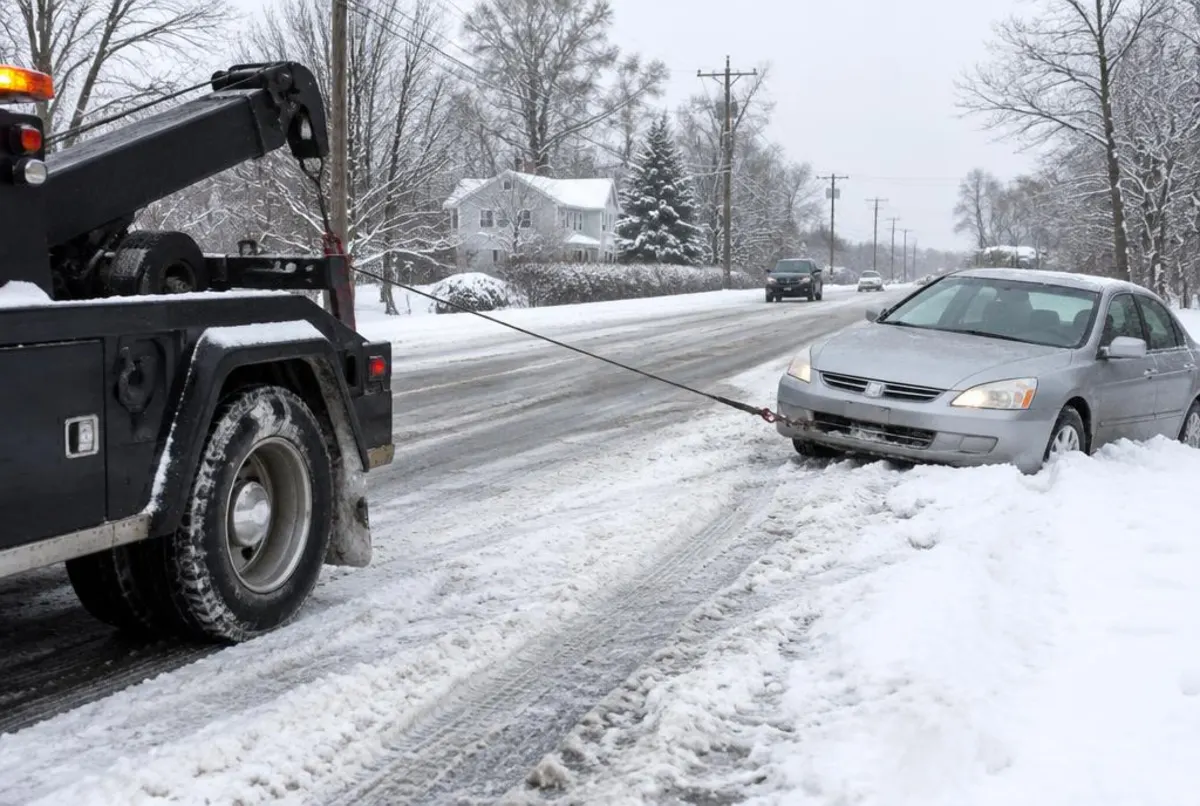
- When it's safe, call for a tow. A car that drowned in water should go to a shop on a flatbed or with its drive wheels off the ground, not be driven or jump-started.
If you made it through and the car is still running
You may still have damage. Over the next few days, watch for:
- A musty smell or damp carpets (water got inside)
- Warning lights or electrical glitches: windows, locks, the radio
- Brakes that feel weak right after the water; tap them gently a few times to dry them
- Milky oil on the dipstick, which means water got into the engine (stop driving)
- Rough running or white smoke
If you notice any of these, have the car checked before small problems spread. Wet electrical connectors and soaked carpet can cause trouble weeks later.
Call your insurance company
Flood damage to a car is usually covered under comprehensive coverage, not collision or liability. Take photos of the waterline on the car and the flooded street if it's safe to do so, and keep the tow receipt for your claim.
Watch out when buying a used car after a storm
After major storms, flood-damaged cars sometimes end up for sale with clean-looking interiors. Signs of a flood car: musty smell, new carpet in an older car, rust under the seats or dashboard, fog inside the headlights and mud in odd places like the spare-tire well. A vehicle history report and a pre-purchase inspection are worth the cost.
Plan ahead for the next storm
- Learn which streets near you flood and plan another route
- Move your car to higher ground before a big storm if you can
- Keep the number of a tow company you trust in your phone
If your car stalled in water anywhere in our service area, don't restart it. Call Itowza Towing at (866) 292-2564 or request a tow and tell us the car went through water, so we can plan the right way to move it.
Questions about this
It depends on where your car's air intake sits and how fast you drive. Some cars can take in water from a few inches of splash at speed, while others sit higher. Because you can't know the depth for sure, the safest choice is not to drive through it.
Flood damage to a vehicle is generally covered by comprehensive coverage, if you have it on your policy. Liability-only policies usually don't cover it. Call your insurer to confirm.
You can remove standing water and dry the carpets with fans, but water in the engine, transmission, fuel system or wiring needs a mechanic. Don't start the car until it has been checked if the water reached the floor or higher.