

Car Accident in New Jersey? A Step-by-Step Checklist
7 min read · November 2, 2026
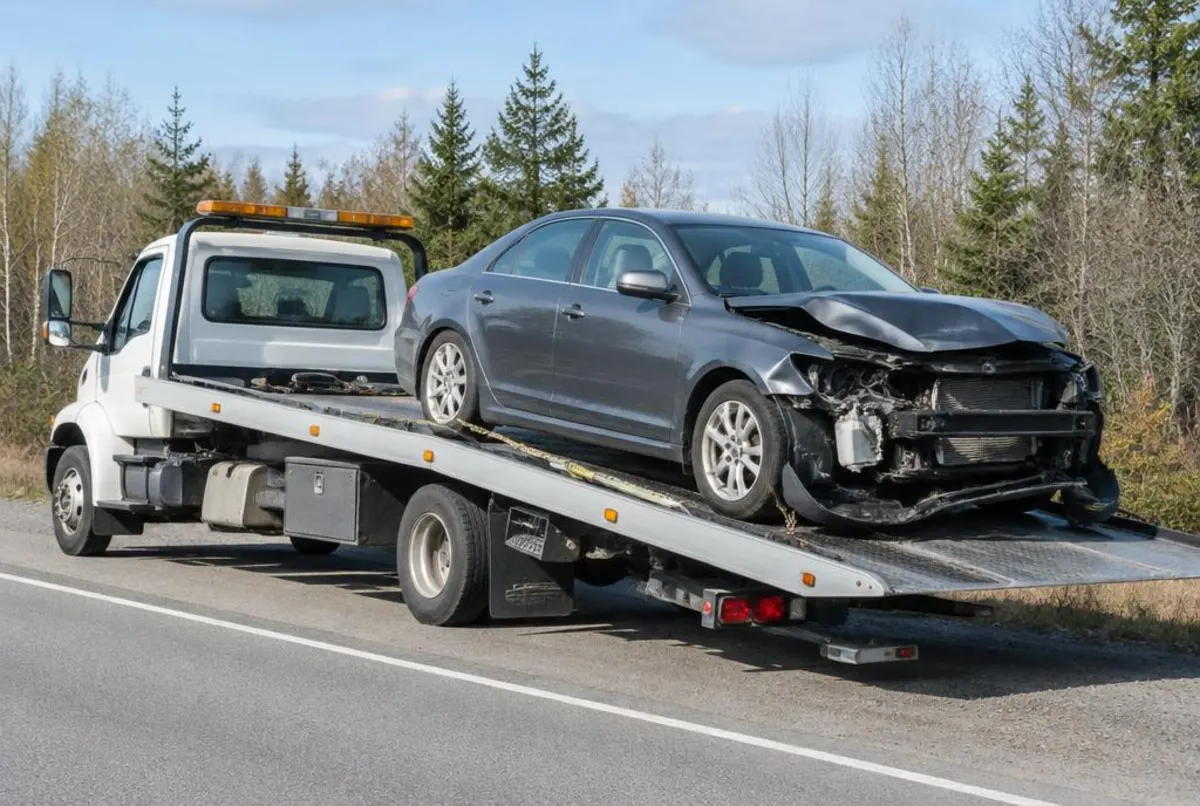
Right after a crash, your heart is pounding and your mind is racing. That's normal. This checklist walks you through what to do in New Jersey, in order, so nothing important gets missed.
1. Check for injuries and call 911 when needed
Check yourself, your passengers and the people in the other car. If anyone is hurt, or if you're stopped in a dangerous spot, call 911 first. Don't move anyone who is seriously injured unless they're in immediate danger.
2. Make the scene safe
- Hazard lights on.
- If there are no injuries and the cars can still be driven, move them out of the travel lanes to the shoulder or a nearby lot.
- If a car can't move, stay buckled inside or get well away from traffic, behind a guardrail if there is one.
- Use triangles or flares if you have them and it's safe to put them out.
3. Report it to the police
In New Jersey, a crash has to be reported to police when someone is injured or killed, or when the property damage looks to be more than $500. With today's repair costs, almost any visible damage can pass $500, so calling the police is usually the right move. Ask the officer for the report number and how to get a copy.
4. Exchange information
Get this from every driver involved:
- Full name, phone number and address
- Driver's license number
- License plate and vehicle make, model and color
- Insurance company and policy number
- The vehicle owner's name, if it isn't the driver
Also get the names and phone numbers of witnesses. Be polite, stick to facts, and don't argue about who was at fault at the scene.
5. Photograph everything
Your phone camera is your best friend here:
- All vehicles, from several angles, close-up and wide
- License plates
- Skid marks, debris, traffic signs and signals
- Road and weather conditions
- Any visible injuries
- The other driver's insurance card and license (with permission)
6. Decide where your car goes
If your car can't be driven safely, it needs a tow. If police at the scene call a tow company, follow their instructions; at a crash scene, the scene is under their control. When you're the one arranging the tow, you choose the destination: your body shop, the dealer or your home. Learn more about our accident and collision towing.
Before the car leaves, take your belongings out: phone, wallet, documents, garage remote, child seats, anything with personal information.
7. Understand New Jersey's no-fault system
New Jersey is a "no-fault" state. Your own auto policy's Personal Injury Protection (PIP) pays your medical bills first, no matter who caused the crash. Damage to your car is handled by the at-fault driver's insurance or by your own collision coverage, depending on what happened and what coverage you carry.
Call your insurance company as soon as you can, even if you think the other driver is at fault. Have your photos, the police report number and the other driver's information ready.
8. You choose the body shop
Your insurance company may suggest a repair shop, but in New Jersey the choice of where your car is repaired is yours. Pick a shop you trust, and tell the tow operator where to take the car.
9. Get checked by a doctor
Some injuries, like whiplash or a concussion, don't show up for hours or days. Getting checked soon after the crash protects your health and creates a record for your insurance claim.
10. Keep a folder
Police report number, photos, receipts (including the tow receipt), medical visits, claim numbers and the name of every adjuster you speak with. A simple folder, paper or on your phone, saves a lot of stress later.
Save this checklist
Screenshot this page or bookmark it. And save our number, (866) 292-2564, so you're not searching for a tow company with shaking hands. Need help now? Request a tow.
This article is general information, not legal or insurance advice. For questions about your specific claim, talk to your insurance company or an attorney.
Questions about this
New Jersey requires a police report when someone is injured or killed or when property damage looks to be more than $500. Because repairs are expensive, even small dents can pass that amount, so calling the police is usually the safe choice.
Personal Injury Protection, required on New Jersey auto policies, pays medical expenses for you and covered passengers regardless of who caused the accident, up to your policy limits. Check your policy or ask your agent for your exact coverage.
Stick to facts and exchange information, but avoid discussing fault at the scene. Fault is determined later by the police report, the insurance companies and the evidence.